Deck Staining and Sealing: Safeguarding Your Investment
Deck staining and sealing are essential in keeping outdoor spaces in top condition. These processes safeguard the wood against moisture, UV damage, and environmental wear. Consistent maintenance can improve both appearance and durability. Unfortunately, many homeowners underestimate the value of these protective treatments. Knowing the correct methods and timing can have a considerable impact. What are the critical measures to secure maximum protection and return on your investment?
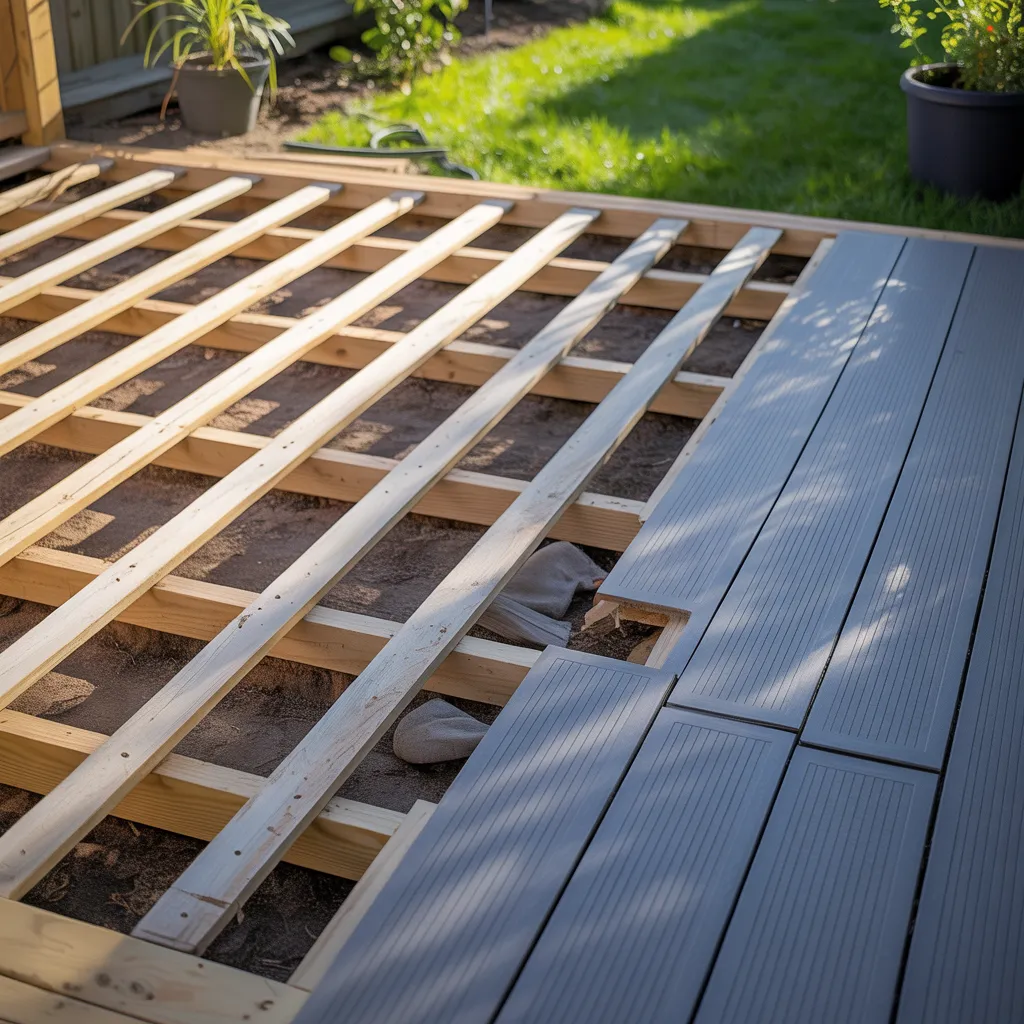
How to Maintain Longevity Through Deck Staining and Sealing
To extend the longevity of a deck, staining and sealing are essential. These methods safeguard the wood from moisture, UV rays, and environmental elements that can lead to degradation. Staining creates a barrier that prevents water penetration, decreasing the likelihood of mold growth and decay. It also enhances the wood's appearance, resulting in a more striking and polished appearance.
The sealing process, on the other hand, secures the stain while offering extra protection against everyday wear and environmental damage. It is important to select high-quality products formulated for outdoor applications to ensure optimal results. Consistent care, including reapplying the product every few years, is necessary to preserve these protective properties.
Complete Step-by-Step Instructions for Staining Your Deck
Proper staining and sealing set the stage for a successful deck enhancement project. To begin, the deck must be completely cleaned to eliminate dirt, mildew, and existing stain. A pressure washer or a stiff brush with a deck cleaner can be effective. Once cleaning is complete, permit the deck to dry fully, generally for 24-48 hours, to secure the best possible adhesion of the stain.
After that, any flaws or surface defects ought to be filled with an appropriate wood filler. Once repaired, the staining process can start. With a premium brush or roller, coat the surface evenly with stain, proceeding in manageable sections to eliminate uneven overlapping. It's essential to move in the direction of the wood grain for an even and smooth finish.
After the initial coat dries, a second coat might be required for additional protection and improved color richness. Finally, let the deck cure for a minimum of 24-48 hours prior to placing furniture or foot traffic, to ensure durable and lasting outcomes.
Choosing the Right Products for Deck Staining and Sealing
Selecting the appropriate materials for deck staining and sealing is essential, as the suitability and quality of supplies can significantly influence the longevity and appearance of the deck structure. Deck owners should consider the wood type, surrounding climate conditions, and intended finish when selecting suitable products.
When it comes to stains, choices span see-through to full-coverage tones, all of which influence the wood in different manners. Clear stains provide a natural appearance while solid stains provide more protection and color. It is essential to choose a stain designed specifically for outdoor application to ensure long-lasting performance.
Sealers serve a significant function as well, with options including both water-based and oil-based solutions. Water-based sealers are known for their quick drying and easy maintenance, while oil-based versions penetrate deeper into the wood. Furthermore, selecting sealers with mildew and UV protection can strengthen the deck's resistance to environmental conditions. Thoughtful product choices can significantly prolong the deck's lifespan.
Techniques and Tips for Effective Deck Sealing
Proper deck sealing necessitates close focus on surface conditioning and the identification of the right sealants. Properly cleaning and sanding the surface ensures superior adhesion and durability of the sealant. Moreover, choosing the right sealant based on the deck's composition and surrounding conditions can significantly improve protection.
Surface Preparation Fundamentals
A successful deck sealing project copyrights on comprehensive surface preparation, which significantly affects the longevity and appearance of the finish. To begin, it is important to thoroughly clean the deck by eliminating dirt, mildew, and existing finishes using a power washer or a suitable deck cleaner. Loose boards and protruding nails must be fixed to ensure a secure and even surface. Lightly sanding the deck can improve bonding by evening out rough areas. Once cleaning and repairs are complete, it is essential to allow the surface to dry completely, as moisture can hinder sealant absorption. Finally, inspecting the deck for any remaining debris ensures a clean and ready surface, enabling the selected sealant to adhere properly and offer superior long-lasting protection.
Picking The Appropriate Sealant
How can one ensure the right sealant is selected for a deck? Selecting an appropriate sealant requires several key aspects. Initially, it is critical to identify the deck material—vinyl, wood, or composite—as this influences compatibility. Water-based sealants are typically preferred for visit resource wood, while composite decks often need specialized products. Furthermore, evaluate the environmental conditions; for instance, decks facing prolonged UV exposure may require UV-resistant formulas. Additionally, consider the desired finish, whether matte or glossy, which can impact aesthetics. Lastly, checking product labels for application guidelines and drying times can secure ideal performance. By carefully evaluating these factors, homeowners can effectively shield their decks from wear and moisture, ultimately extending their investment.
What Mistakes Should You Watch Out For?
What typical mistakes should homeowners watch out for when staining and sealing their decks? One prevalent mistake is neglecting surface preparation. Not cleaning the deck properly can result in poor adhesion of the stain or sealant, ultimately weakening the protective layer. Additionally, many homeowners overlook the necessity of evaluating weather conditions; using products in high humidity or wet weather can lead to an inferior finish.
One other typical error revolves around selecting an incorrect type of stain or sealant for the deck material. Not all products are compatible with every wood type, potentially causing peeling or discoloration. Furthermore, over-applying stain can create a sticky surface that attracts dirt. Additionally, neglecting maintenance inspections following application can lead to premature deterioration, undermining the effort put into safeguarding the deck. By taking note of these pitfalls, deck owners can keep their surfaces looking vibrant and thoroughly protected.
When Should You Stain and Seal Your Deck?
Determining the right time to stain and seal a deck involves several factors. Seasonal timing, visible signs of wear, and a regular maintenance schedule each play a significant role in this determination. Understanding these factors can help ensure the deck's longevity and visual appeal.
Seasonal Timing Considerations
Typically, the best time to stain and seal a deck aligns with mild weather conditions, ensuring ideal application and longevity of the finish. Spring and early fall are often recommended, as temperature ranges of 50°F to 90°F create favorable conditions. During these seasons, humidity levels are usually moderate, reducing the risk of moisture interference during application.
You should avoid applying stain during severe heat, heavy rainfall, or cold conditions, as these conditions can compromise the effectiveness of the sealant. Moreover, stain application should be avoided when the deck is in direct sunlight, as rapid drying of the finish can occur, resulting in an inconsistent application. Proper timing is critical to achieving a long-lasting, protective finish.
Visual Signs of Damage
A deck's condition can display important warning signs of deterioration that suggest the necessity of staining and sealing. Property owners should be aware of several visual indicators. Color fading commonly signals that the protective layer is breaking down, leaving the wood vulnerable to environmental conditions. Cracks or splits in the wood indicate moisture intrusion, potentially leading to significant decay. Moreover, the growth of mold or mildew, often appearing as dark spots, calls for immediate remediation. Warping or bowing of the boards may also suggest structural damage. When the wood surface feels coarse or splintered, this clearly signals that the surface has been damaged. Detecting these indicators early on can safeguard the deck's condition and significantly lengthen its durability.
Recommended Maintenance Schedule
When homeowners prioritize the durability of their decks, developing a recommended maintenance schedule for staining and sealing is crucial. Most professionals suggest staining every two or three years, based on the deck's exposure to elements and usage. Sealing ought to be done alongside staining to provide maximum protection. Signs that it may be time for maintenance include a loss of color, standing water on the deck, or apparent signs of wear. Moreover, if the wood surface feels coarse or shows splinters, it serves as a sign that the deck needs attention. Routine checkups, preferably every six months, can assist in catching these problems sooner. Following a consistent upkeep routine not only improves the deck's visual appeal but also prolongs its lifespan, safeguarding the homeowner's financial commitment.
Warning Signs Your Deck Requires Immediate Attention
Understanding the warning signs that a deck demands prompt action can prevent further damage and costly repairs. Homeowners need to watch for a number of critical signs. To begin, obvious warping or drooping boards can threaten the overall structural soundness. Additionally, when the wood looks severely faded or stained, it could signal inadequate protection from weather conditions. Third, the presence of mold, mildew, or rot signifies moisture retention, which can lead to severe deterioration. Additionally, splitting or splintering wood not only reduces the deck's visual appeal but also creates hazardous conditions. To conclude, when the deck's coating begins peeling or forming bubbles, it indicates that the protective layer has deteriorated, enabling moisture intrusion. Resolving these problems in a timely manner ensures the deck's durability and safeguards the homeowner's financial commitment. Routine evaluations and prompt upkeep are essential for maintaining the deck's performance and visual attractiveness.
Frequently Asked Questions
How Often Should I Inspect My Deck for Damage?
Decks should be inspected at least twice a year, with the best times being spring and fall. Consistent inspections help uncover evidence of wear, including rot or unstable planks, allowing for prompt repairs and extending the deck's longevity.
Can My Deck Be Stained in Cold Weather?
Applying stain to a deck in cold weather is typically not recommended. Frigid temperatures can negatively impact the application and drying process, often causing poor adhesion and an inconsistent finish. It is advisable to wait for warmer weather before proceeding.
What Is the Most Effective Method to Remove Old Stain?
To get rid of old stain, one should use a quality stain remover or stripper, distributing it consistently. Afterward, scrubbing the surface with a firm brush and rinsing thoroughly ensures all remnants are removed, readying the surface for fresh application.
Do Eco-Friendly Deck Staining Options Exist?
Absolutely, there are sustainable options for staining your deck, which include water-based formulas derived from naturally sourced ingredients and low-VOC solutions. These options reduce the environmental footprint while providing durable protection and elevating the appearance of your deck.
How Can I Tell if My Stain Is Still Effective?
To assess if a stain is still performing well, you can carry out a water test. When water forms beads on the surface, the stain remains intact; if the water is absorbed, the stain might require reapplication.